
Testing for Autism:
Early diagnosis leads to early intervention, and (specifically ABA Therapy) is key to building the brightest future for any child diagnosed on the autism spectrum.
LittleStar offers diagnostic testing for children with developmental concerns. Let us explain our process:
Autism Diagnosis and Testing Process
Parents may notice early signs of developmental delays in their child. When concerns arise, families should first consult their child’s pediatrician.
If the pediatrician recommends further evaluation, they will refer your child to LittleStar for diagnostic testing. A licensed clinical psychologist completes all autism evaluations.
After receiving the physician referral, LittleStar’s insurance team verifies benefits and eligibility. Once verification finishes, a diagnostic coordinator contacts families to schedule appointments.
Autism testing follows a structured, two-step process. The process begins with an initial diagnostic interview with caregivers.
The clinical psychologist then submits a brief diagnostic report to insurance for authorization. After insurance approval, the psychologist schedules the in-person testing session.
During the evaluation, a licensed clinical psychologist assesses for autism and other neurodevelopmental conditions. The evaluation uses standardized assessments and clinical observations.
Testing includes evidence-based diagnostic tools and rating scales. Evaluations typically include the Autism Diagnostic Observation Schedule, Second Edition (ADOS-2).
Additional cognitive or behavioral assessments may occur if clinically indicated or required by insurance. Testing ensures accurate diagnosis and appropriate recommendations.
Parents play a critical role throughout the diagnostic process. Caregivers provide detailed information about early development, behavior, and medical history.
Parents of younger children remain present during the testing appointment. Their involvement supports comfort and accurate assessment.
After testing concludes, the psychologist reviews preliminary findings with caregivers. Families receive initial recommendations immediately following the evaluation.
The psychologist completes a comprehensive written diagnostic report. Families receive the final report within three weeks of testing.
Autism diagnostic testing helps families access appropriate services, supports, and next steps.
Initial Diagnoses
Autism Evaluation Follow-Up and Next Steps
After completing the evaluation report, families attend a follow-up meeting with the psychologist and diagnostic coordinator. During this meeting, the team reviews results and answers all questions.
If testing confirms an autism diagnosis, the team discusses available therapy options. Staff also provide guidance on recommended next steps and supportive services.
Families receive copies of the diagnostic report during the follow-up meeting. With caregiver consent, the team sends a copy to the referring physician.
If Applied Behavior Analysis therapy is recommended, an intake services team member supports the enrollment process. The intake team helps families understand services, timelines, and treatment options.
This follow-up process ensures families receive clear guidance, coordinated care, and support after autism testing.
After Diagnosis
ABA Therapy Clinical Assessment and Enrollment
After an autism diagnosis, children complete a clinical assessment for ABA Therapy when recommended. This assessment determines appropriate treatment intensity and service location.
The assessment evaluates the number of ABA therapy hours needed each week. The team also recommends in-center or community-based therapy services.
At LittleStar, an experienced clinical team completes the ABA assessment. The team includes a Clinical Director, a Board Certified Behavior Analyst, and trained technicians.
The assessment process reviews skill levels, behavior needs, and developmental goals. Findings guide individualized ABA therapy recommendations.
Based on assessment results, the team determines program intensity and service frequency. Recommendations support meaningful progress and individualized care.
The clinical team completes the ABA assessment report within two weeks. Families receive timely guidance to support next steps.
LittleStar works directly with insurance providers to support enrollment approval. The team submits required documentation and coordinates benefits authorization.
Once insurance approval is received, the team schedules a therapy start date. Families receive ongoing support throughout the enrollment process.
ABA therapy assessments help ensure appropriate services, effective treatment planning, and successful therapy outcomes.
FAQs
How do I know if my child needs to be evaluated?
The CDC website provides valuable information on possible red flags for ASD: https://www.cdc.gov/ncbddd/autism/screening.html
Does my child need a physician’s referral for testing?
Yes, we do require a physician referral, indicating why autism testing is deemed medically necessary.
Why do I have to complete 2 appointments?
Many insurance companies require prior authorization to be obtained before testing can be completed. Following the initial interview, our psychologist will submit documentation to your insurance company to request the hours needed for testing.
Do you take my insurance?
LittleStar accepts most insurance plans, including Medicaid. Our insurance department will verify eligibility prior to the scheduling of appointments.
Need More Info?
Call Us! 317-943-4300
Meet our Psychologist
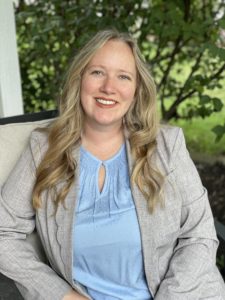
Dr. Molly Lorton is a Psychologist who attained her doctoral degree from The Chicago School of Professional Psychology. She completed her internship with LittleStar and is excited to be back to continue her work with families, individuals, and groups as they seek a change in their lives. Molly has experience counseling children, adolescents, and family’s in a variety of settings. Prior training includes serving as a therapist in inpatient, outpatient, therapeutic day school, an academic hospital, and behavior consultation. Molly has sought a plethora of training experinces across the lifespan but has specialized training in neurodevelopental disorders. Prior to coming back to LittleStar, Molly completed her fellowship at the Indiana University Leadership Education in Neurodevelopmental Disabilities (LEND) partnered with Riley Children’s Hospital.
At this time, Molly currently works with children, adolescents, and families with a variety of issues including, but not limited to: neurodevelopmental disabilities including autism, anxiety, ADHD, behavioral difficulties, academic-related difficulties, adjustment issues, impulse control disorders, and depression. Molly uses a variety of interventions as she believes each individual and family requires a treatment plan tailored to their symptomology and goals. As such, Molly works with the individual and family to address their goals by facilitating a collaborative therapeutic relationship.
What’s Next?

Let’s Make Real Progress Together.
It starts by talking to an expert from LittleStar.